Family photos: what happens when nobody looks after them?
Unnamed photos, forgotten phones and inaccessible accounts: learn how family memory slowly loses context and how to preserve it.
Owning many photos is not enough
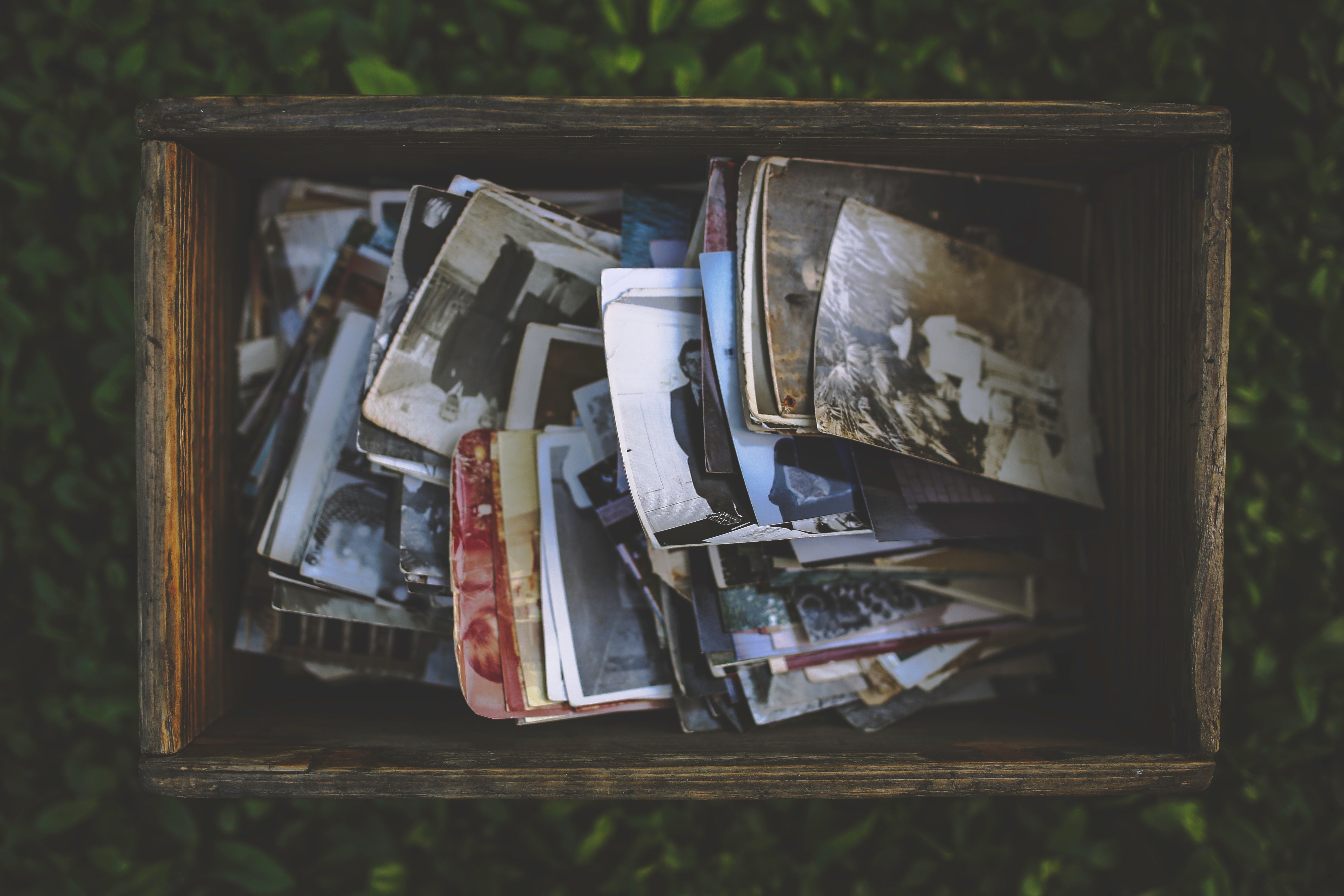
A family can have tens of thousands of images and still lose its history. Ten thousand files without names, understandable dates or stories may be harder to pass on than one annotated album.
Context often disappears before the image
Today you recognize the house, the cousin in the background and the reason for the cake. In thirty years those details may not be obvious. Context often exists only in the memories of people who were there.
Then devices and accounts are forgotten
Broken phones, forgotten drives, lost passwords and changing services can cut off whole sections of family history. The more scattered the files, the less anyone knows what exists.
The risk of one memory keeper
In many families one person takes, organizes and locates every photograph. Lasting family memory should be understandable and enrichable by several relatives.
Grandparents know what files cannot tell us
An old photograph cannot explain that it shows a couple’s first apartment or name everyone in the picture. Asking now preserves information scanning alone cannot save.
Children need a story, not only a folder
An adult child may not want 4,000 similar pictures. They may want to know who was there, what their room looked like, their favorite toy and how their grandparents sounded.
Ordinary moments are most fragile
Weddings and birthdays are well documented. Breakfasts, journeys, Sundays with grandparents, recipes, games and conversations disappear more easily even though they often describe family life best.
Shared memory is stronger
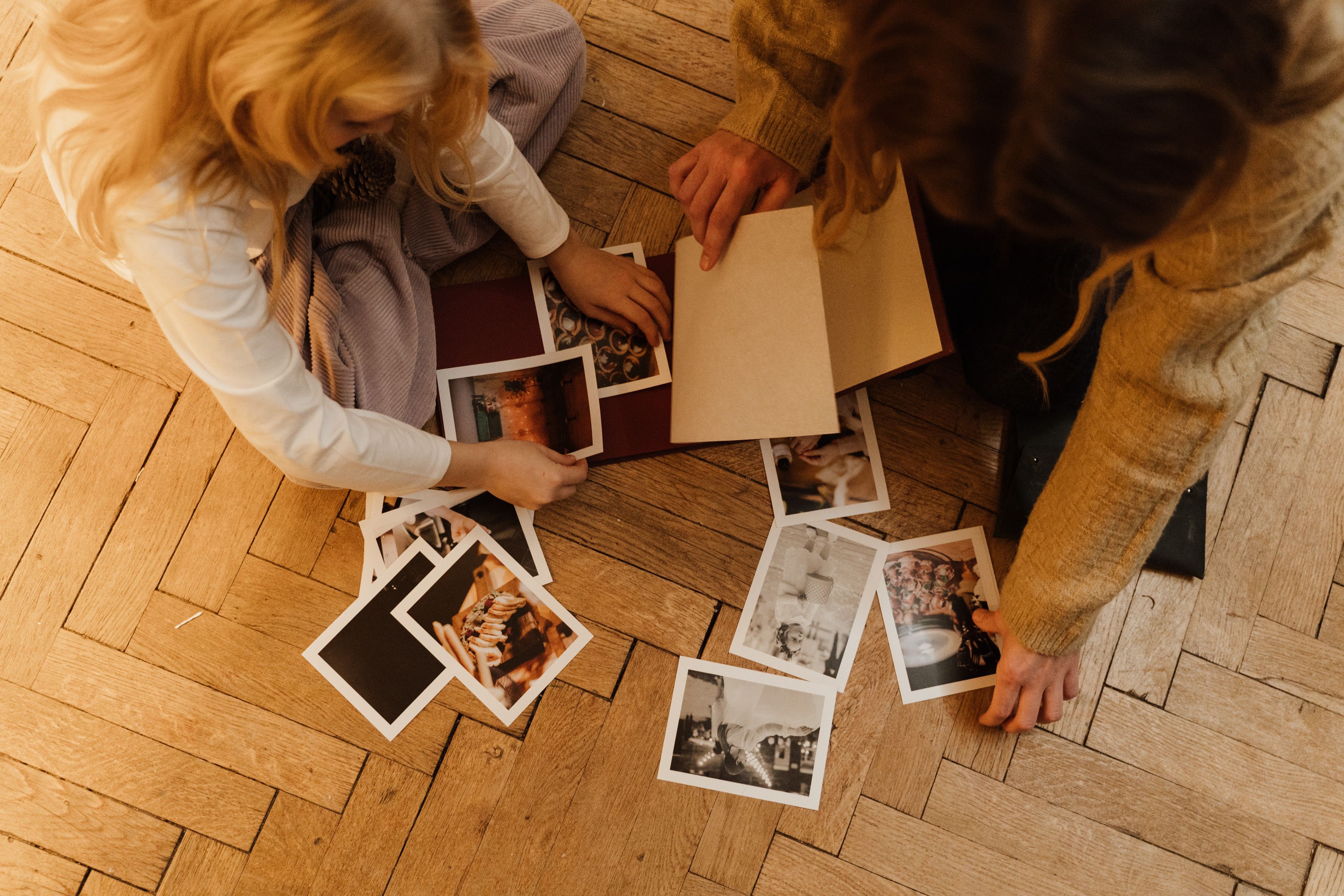
When several relatives contribute, each adds different images, corrects names and remembers different anecdotes. Transmission becomes a family project rather than a solitary task.
Give history a simple structure
A few understandable Streams may be enough: “Our family”, one child, grandparents or a family branch. Moments structure events. The system should remain clear to somebody discovering it years later.
Connect memories to a story
In Eppeeri, a Stream can bring photos, videos and events from one family circle together over time. A child’s or grandparent’s Stream becomes richer as years and contributors accumulate.
Transmission starts today
Do not wait until your entire digital life can be sorted. Choose grandparents, a child’s first year or one trip. Add names and stories while the people who know them can still explain them.
Preserve more than pictures
- Full names and relationships.
- Places and approximate dates.
- Voices in short videos.
- Recipes and traditions.
- Children’s memorable sayings.
- Grandparents’ stories.
- Why a place, object or ordinary day mattered.
Organization and backup complement each other
Organization answers “how do we find and understand this?” Backup answers “how do we avoid losing the file?” Irreplaceable memories should also exist in several independent copies.
Start in one hour
- Choose one person or period.
- Select twenty memories.
- Ask a relative to identify missing information.
- Add a few words.
- Put them in a coherent Stream.
- Preserve a voice in video when possible.
- Continue another day.
Frequently asked questions
Is it too late if everything is disorganized?
No. Start with one period.
Why add text?
Because a photo mainly speaks to people who already know its story.
Must everything be kept?
No. A meaningful selection with context can be more useful.
Why ask grandparents now?
They often know information stored in no file.
Conclusion
A photograph becomes precious because it connects a person to a story. If nobody looks after that story, the file can survive while losing its meaning. Selecting, naming, explaining, backing up and sharing today can help future generations understand where they came from.