50 ideas for an annual family photo tradition
Discover 50 simple family photo traditions to repeat every year and gradually build a meaningful visual history of your family.
Why create an annual family photo tradition?
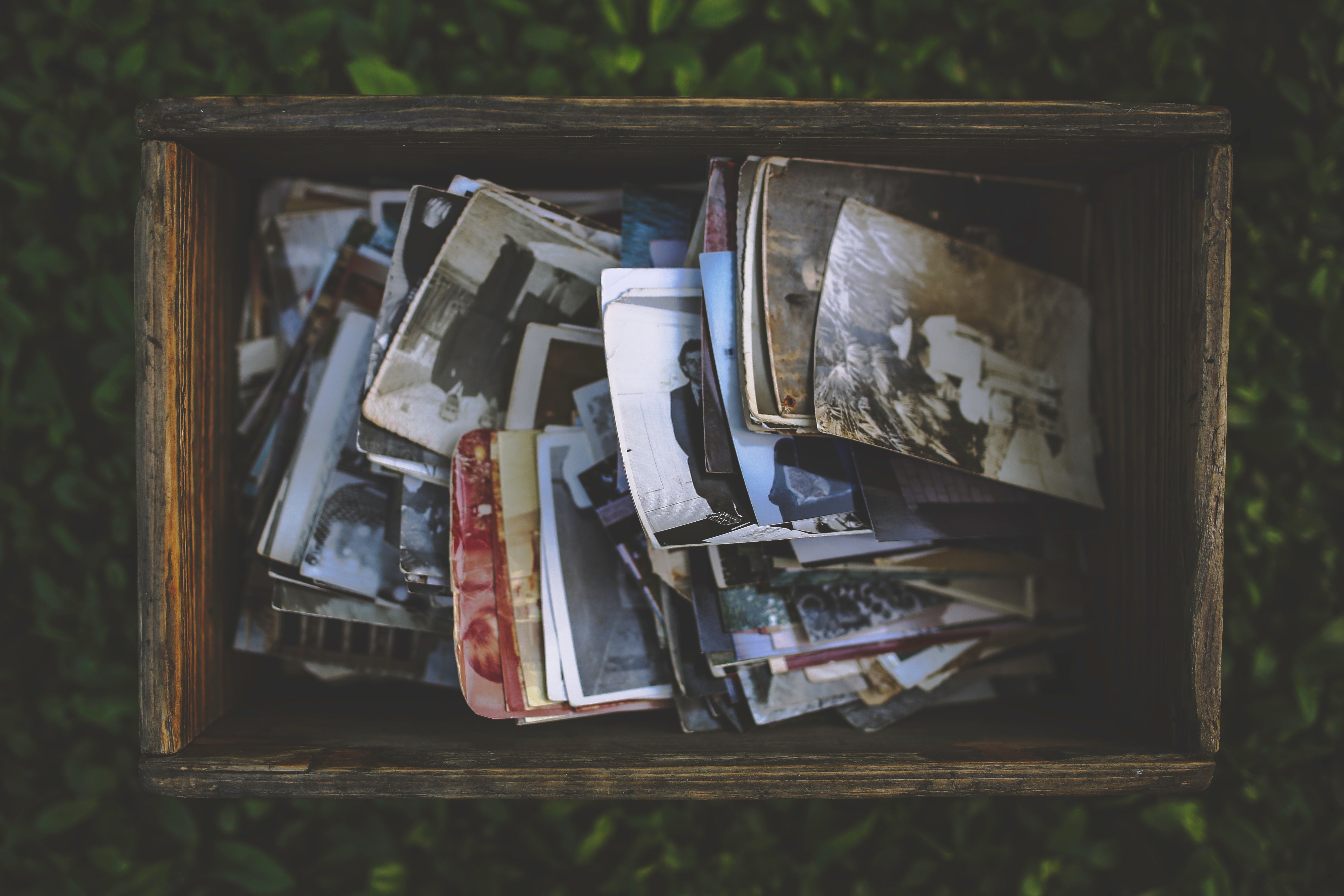
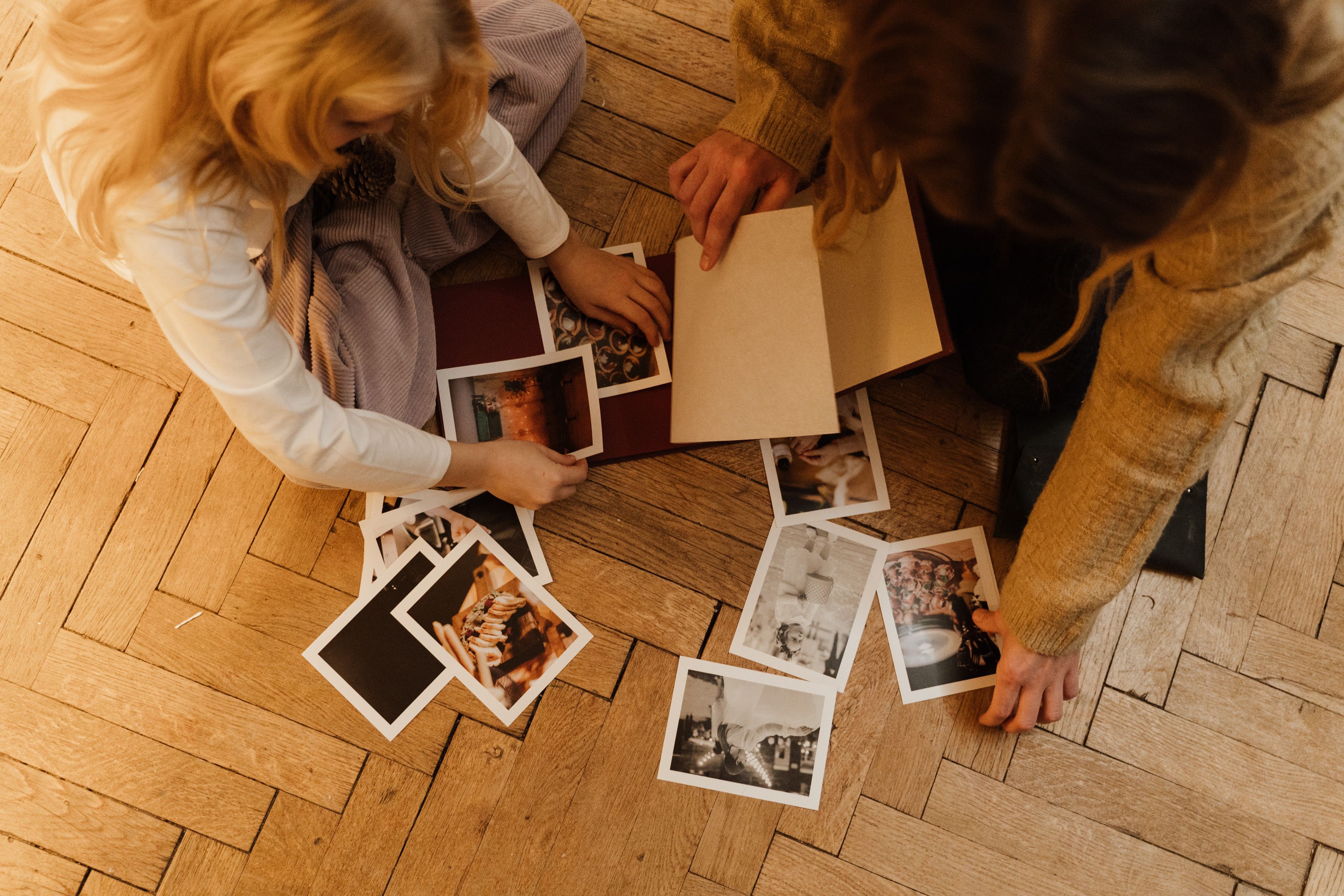
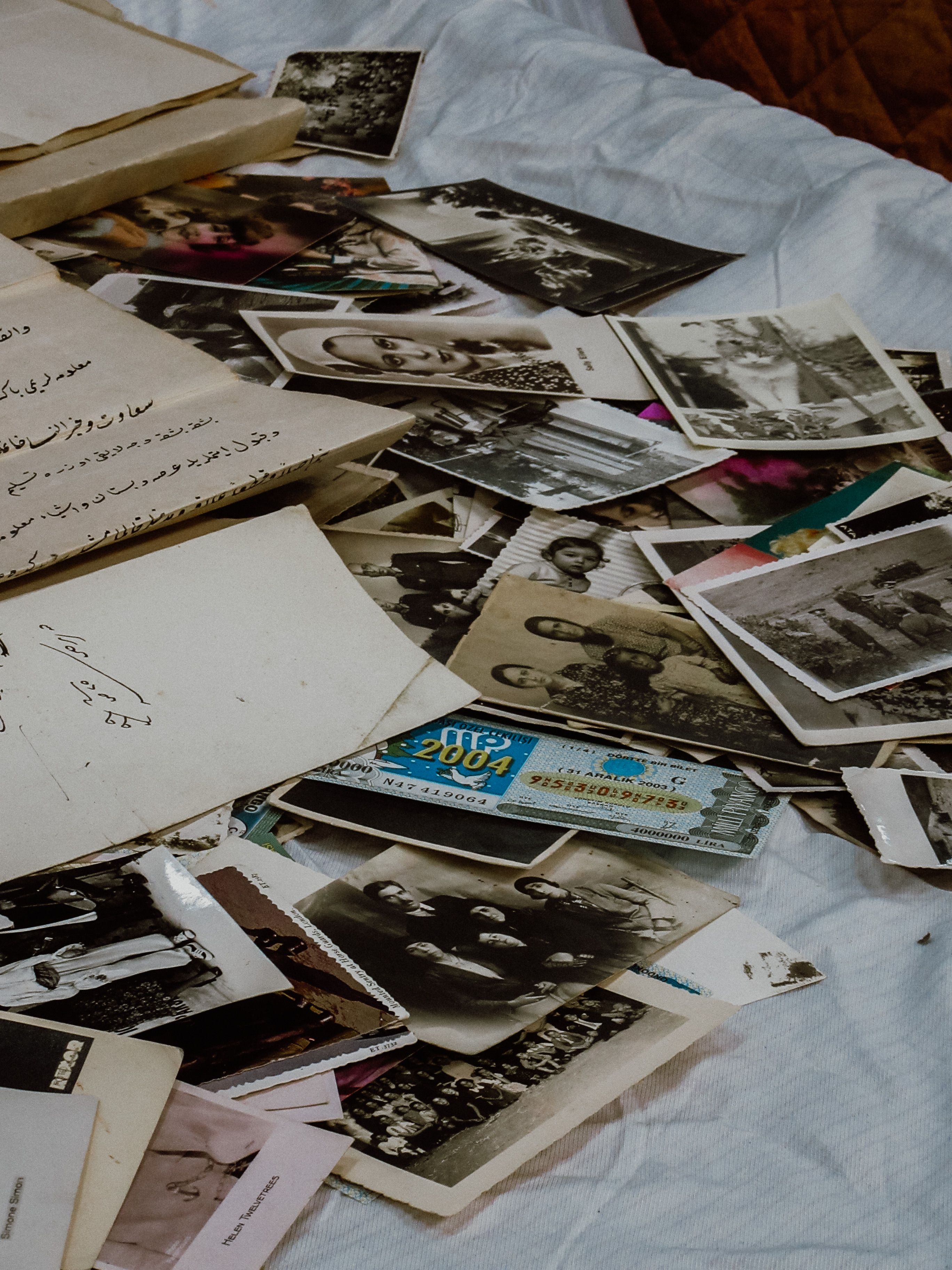
Families take more photographs than ever, yet those images are often scattered across phones, chats and backups. An annual photo tradition creates continuity: a few familiar moments, places or rituals are photographed again and again, gradually becoming a visual family timeline.
You do not need professional photo sessions. A picture outside the family home, the first day of school, Christmas with grandparents or the children on the same sofa can become deeply meaningful when repeated for years.
50 family photo tradition ideas
- A photo in the same place every year. Choose an easy location such as the family home, garden or sofa. Repeating the photograph makes changes immediately visible.
- The birthday photo. Photograph each family member on their birthday with a similar composition every year.
- The first day of school. The bag, clothes, expression and route to school quickly become markers of a particular time.
- The Christmas photo. A yearly photograph near the tree shows how children, relatives and even decorations change.
- The first day of the holiday. Create a ritual when you arrive at your destination, accommodation, station or airport.
- The final holiday photo. A photograph at the end of the trip creates a natural closing image for the travel memories.
- A photo with grandparents. Take regular photographs of children with grandparents, not only at major celebrations.
- Several generations together. Whenever possible, bring children, parents, grandparents and great-grandparents into one frame.
- Siblings together. Repeat a similar pose every year to see both their growth and relationship develop.
- A couple photo. Parents are often behind the camera. Make sure their relationship is represented in the family archive too.
- The whole family. Aim for at least one annual photograph where nobody, including the usual photographer, is missing.
- The family home. Photograph the outside of the home. Places change and become memories themselves.
- The living room. Furniture, toys and decoration quietly document an era of family life.
- The children’s bedrooms. Take one wide photograph each year to preserve toys, posters and the atmosphere of each age.
- Sunday breakfast. Ordinary traditions can become deeply meaningful. Photograph a meal your family regularly shares.
- A family recipe. Capture the preparation of a recipe passed down by parents or grandparents.
- The children’s favourite meal. Tastes change quickly, making favourite foods a fun detail to preserve.
- A familiar walk. Photograph a route, park or neighbourhood your family visits regularly.
- The garden or balcony. Outdoor spaces hold memories of play, meals, gardening and everyday life.
- A snow day. If snow is part of your winters, photograph sledging, snowmen and family fun.
- The first swim of summer. A pool, lake or sea photograph can become the symbolic beginning of every summer.
- An autumn day. Leaves, forests and seasonal walks give a recurring series a strong visual identity.
- A spring photograph. First flowers, garden days and lighter clothes help document the rhythm of family life.
- In front of the school. Using the same spot every year makes growth particularly visible.
- The family transport. Cars, bicycles, pushchairs and trains are ordinary details that instantly place memories in time.
- The favourite comfort toy. Photograph the child with it regularly as the toy ages and the child grows.
- The toy of the year. Ask each child to choose the toy they currently love most.
- The favourite book. A frequently requested story can later bring back surprisingly vivid memories.
- The drawing of the year. Choose one creation together and photograph the child holding it.
- The passion of the year. Football, dancing, dinosaurs, trains or music can define an entire stage of childhood.
- The favourite costume. Carnival, Halloween or home play often reveals the characters children love at the time.
- The hairstyle. A simple yearly portrait records haircuts and changing appearances.
- The shoes. Children’s shoes offer a very tangible measure of growth.
- Family hands. Stack everyone’s hands together. Over the years, the proportions will change dramatically.
- Family feet. Line up bare feet or shoes for a playful variation on the annual family portrait.
- A spontaneous photograph. Choose at least one image each year that genuinely represents everyday family life.
- A fit of laughter. Keep a photograph or short video of genuine family laughter.
- A hug. A hug between parents and children or siblings can become a deeply emotional image.
- An activity with grandparents. Cooking, gardening, crafts or walks document relationships between generations.
- A family tradition. Annual meals, Christmas baking or recurring outings deserve their own visual history.
- A local celebration. Carnivals, Christmas markets and community events help document where children grew up.
- An annual excursion. Return to the same zoo, mountain, lake or favourite destination from time to time.
- A photo with a best friend. Childhood friendships are part of a personal history and deserve to be remembered.
- The first day of a new activity. Sport, music or another hobby marks the beginning of a new chapter.
- An achievement of the year. Learning to ride a bicycle, swimming or performing on stage are meaningful milestones.
- A photograph chosen by the child. Let the child choose the subject or take the photograph. Their view of family life is unique.
- A photograph taken by grandparents. Invite grandparents to contribute images of moments parents may never have seen.
- The imperfect family portrait. Keep funny faces, closed eyes and chaotic poses. They are often the most authentic.
- The favourite moment of the year. At the end of the year, ask everyone to choose their favourite memory and connect it with a photograph.
- The end-of-year photograph. Finish the year with a family photo and a few notes about ages, home, important events and current interests.
Repetition turns photographs into stories
One photograph outside the family home is pleasant. Ten photographs taken there over ten years tell a story. Children grow, parents change, new people join the family and the surroundings evolve.
The photograph does not need to be identical every year. Keeping the central idea recognizable is enough.
Do not aim for perfection
Real families move, laugh, make faces and sometimes refuse to pose. Keep those imperfect photographs. They often describe family life better than a perfectly staged portrait.
Add a little context
Record the year, place, children’s ages and a short anecdote. You can also ask everyone to name a favourite memory from the year. These details help future generations understand the story behind the image.
With Eppeeri, traditions do not disappear into a phone gallery
A family tradition becomes more valuable when it can still be found years later. Eppeeri is designed around this idea: family memories should form a private, organized story rather than remain isolated files.
You can create a Stream for the whole family and collect annual traditions, holidays, birthdays and everyday moments. You can also create a Stream dedicated to one child and build a personal timeline from birth onwards.
Invited grandparents and relatives can contribute their own memories too. A photograph taken by Grandma or Grandpa can become part of the same family story instead of remaining on another device.
Private sharing instead of public posting
Family traditions do not need to be published on social networks. A private family space allows memories to be shared with the people who matter without making every stage of childhood public.
A timeline that becomes more valuable every year
One first-day-of-school photograph is a memory. A series from 2026 to 2036 is a story. Over time, an Eppeeri Stream can bring those repeated moments together with the photographs, videos and stories surrounding them.
You are therefore not only creating an album for today, but a family space that can be rediscovered years from now.
Let the whole family contribute
Parents can add the main photographs, grandparents can contribute moments from their own time with the children, and children can gradually choose favourite images themselves. The family story is then told from more than one phone and more than one perspective.
Start with three traditions
You do not need all 50 ideas. Choose three simple traditions such as the first day of school, a photograph outside the home and a Christmas family portrait. Add more naturally over time.
Frequently asked questions
Does the photograph need to be identical every year?
No. The same place or central idea is usually enough. Differences are part of the story.
How many traditions should a family choose?
Two or three regular traditions are enough to begin.
Why photograph ordinary moments?
Because everyday details such as homes, toys, routines and relationships change quietly over time.
Can an Eppeeri Stream be created for each child?
Yes. Shared memories can live in a family Stream while personal memories can be organized around an individual child.
Can grandparents contribute?
A shared private family space makes it possible for invited relatives to contribute memories instead of keeping them isolated on separate devices.
Conclusion
A family photo tradition takes little time, but its value increases every year. Repeated places, celebrations and routines reveal family change in a way that a random camera roll rarely can.
With Eppeeri, these photographs can become part of a private family story built together with the people who matter. Instead of simply collecting files, you gradually create a family memory that can be enjoyed today and rediscovered in the future.