How to pass family memories on to future generations
Learn how to preserve family photos, videos, stories and traditions so future generations can understand and enjoy their family history.
Why pass family memories on?
Family memories are more than photographs stored on a phone or in an old box. They tell the story of the people who built a family, its traditions, journeys, celebrations and everyday moments.
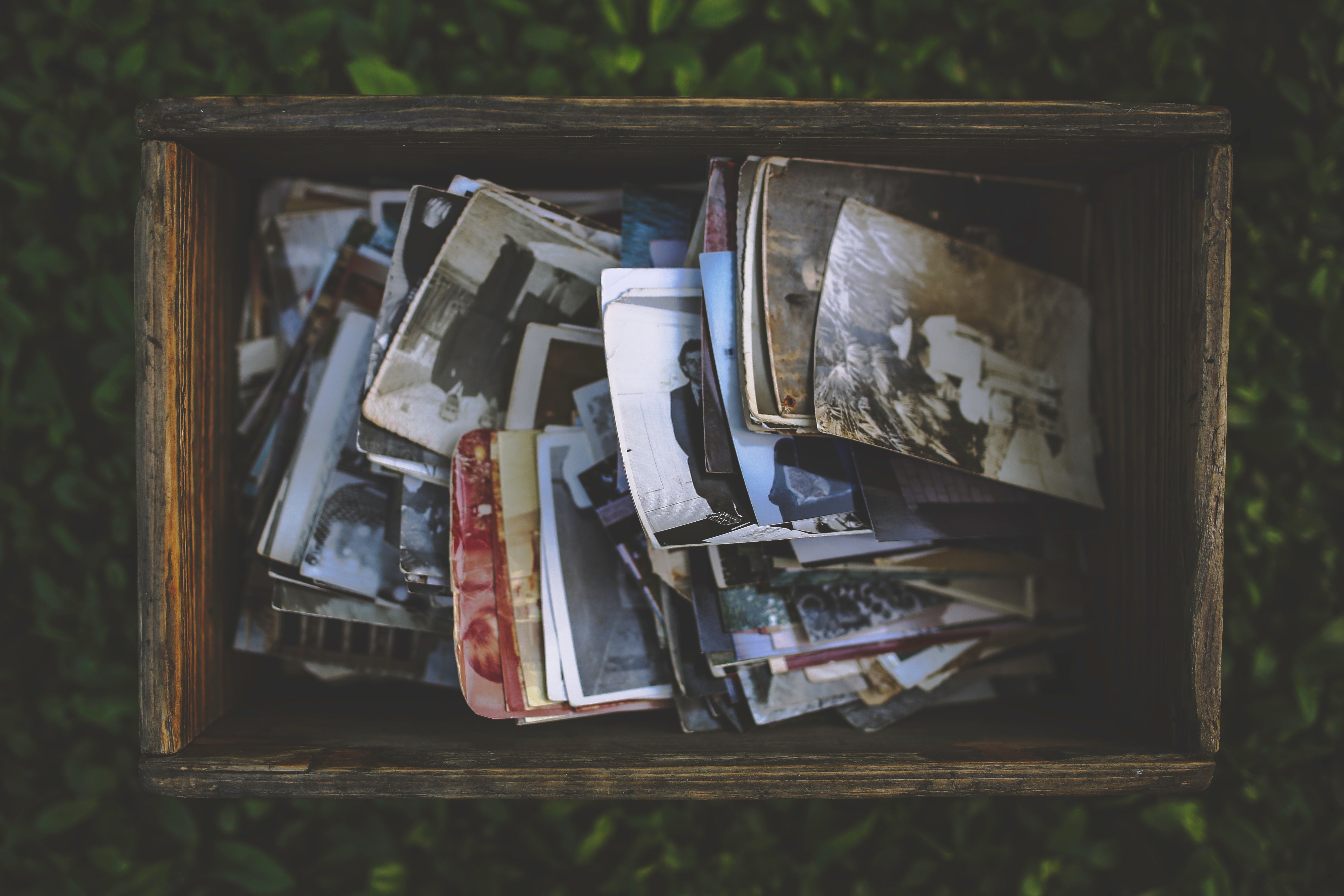
Passing these memories on gives children and grandchildren a way to understand where they come from. An old photograph becomes much more meaningful when it includes names, a date, a location and a story.
Do not wait to begin
It is easy to think that family memories can be organized later. Unfortunately, details disappear with time. Names are forgotten, dates become uncertain and the story behind a photograph can be lost.
Start with a few important memories and continue gradually. A family archive does not have to be built in one weekend.
Identify the memories that matter most
Begin with meaningful material such as childhood photographs, weddings, birthdays, holidays, several generations together, important homes, family traditions, old letters, recipes, videos and audio recordings.
The goal is not to preserve absolutely everything. Select the memories that help tell the family story.
Add context to photographs
A photograph without information may become difficult to understand after several decades. Whenever possible, add a date, location, names and a short description.
Instead of keeping only a file called “IMG_2045.jpg”, add information such as “Summer 1998, holiday in Ticino with Grandpa Jean and Grandma Louise”. Future generations will immediately understand what they are looking at.
Talk to grandparents
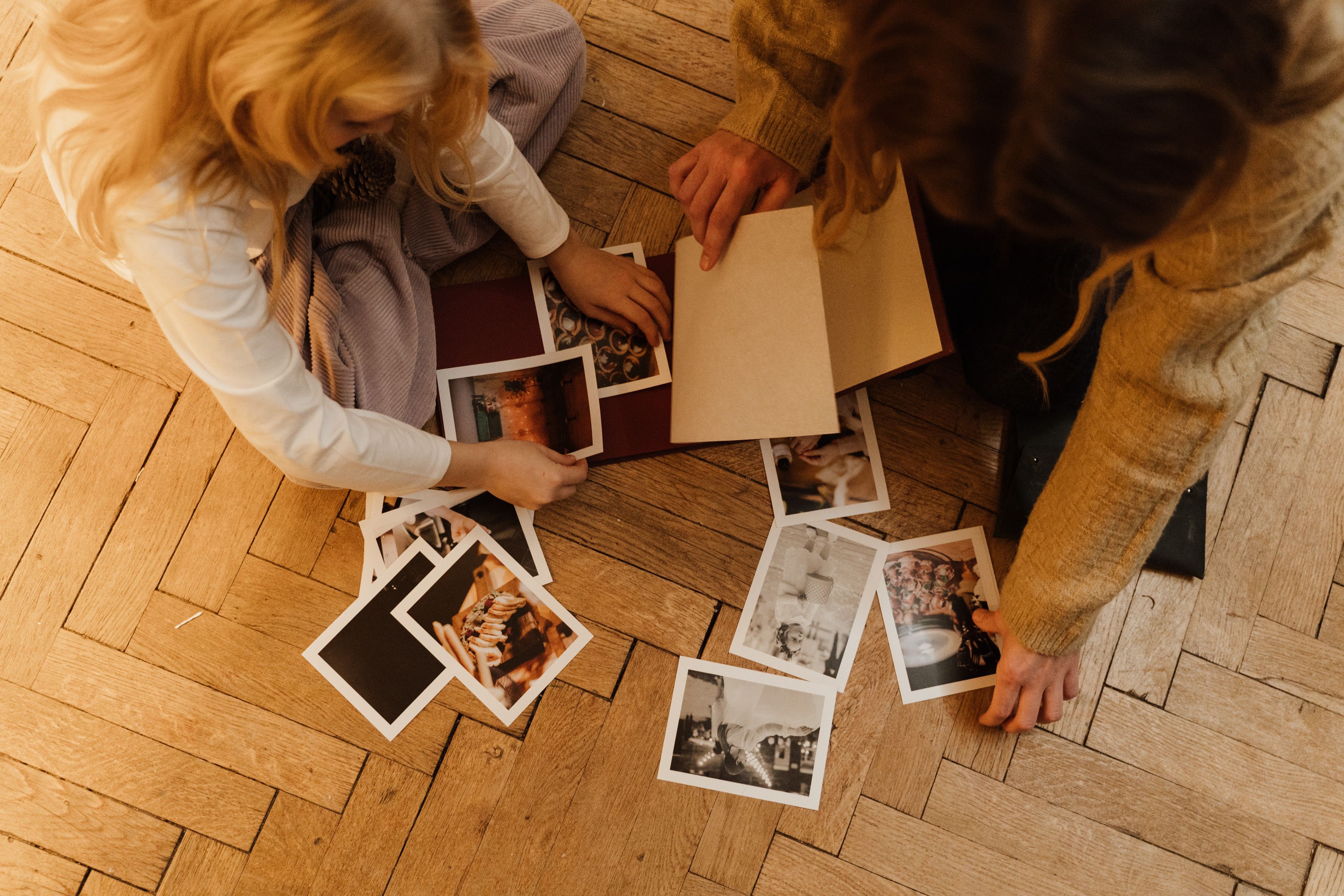
Grandparents and great-grandparents often hold a large part of the family history. Show them old photographs and ask who appears in them, where they were taken and what they remember about that period.
You can write down their answers or record their voice. The way someone tells a story can be just as valuable as the facts themselves.
Digitize old photographs
Printed albums age and can be damaged or lost. Scanning important photographs creates an additional copy and makes them easier to share with relatives.
Use sufficient quality so that the images can still be viewed and printed in the future. Keeping the physical originals as well is usually a good idea.
Preserve video and audio
Video preserves voices, movements and expressions that photographs cannot capture. A child may one day be able to hear a great-grandparent speaking or watch a family celebration from decades earlier.
Small everyday clips are worth keeping too. Ordinary moments often become especially meaningful later.
Record family stories
Family history is not limited to images. Ask relatives about childhood, school, first jobs, relationships, journeys and important life events.
A few written paragraphs attached to a photograph can preserve a story that might otherwise disappear.
Create a family timeline
A timeline helps place events in context. Begin with major dates such as births, weddings, moves and important journeys, then gradually connect photographs, videos and stories to those moments.
Future generations can then explore family history as a narrative instead of browsing disconnected files.
Create spaces for individual people
Some families may want a dedicated collection for each child while also maintaining one central family archive. This makes it possible to preserve both shared family history and individual life stories.
Preserve family traditions
Traditions are part of a family identity. They can include a Christmas meal, a holiday destination, a birthday ritual, a song or a special family activity.
Photograph these traditions and record their origins so future generations know why they mattered.
Save family recipes
A handwritten recipe from a grandparent can become a family treasure. Scan recipe cards and notebooks, record the little tips that are not written down and add photographs of the finished dish.
You can even record a video of the recipe being prepared.
Keep more than one backup
Never keep the only copy of important memories on one phone or computer. Maintain at least two independent copies, ideally in different locations.
Check backups from time to time to make sure the files can still be opened.
Decide what should remain private
Passing memories on does not mean making them public. Family photographs, especially pictures of children, may belong only within a trusted circle.
Use private spaces with controlled access so that each memory is shared with the appropriate people.
Involve children
Children can help choose photographs, describe their favourite holiday memory or write a short note about a birthday. This teaches them that photographs are part of their personal history rather than simply files on a device.
Build a simple family routine
A short monthly session is often enough to select important photographs, add descriptions and update backups. At the end of each year, families can also create a collection of their most meaningful moments.
Use Eppeeri to build a family memory collection
Eppeeri Streams can be used to create private spaces around the way a family naturally organizes its memories.
You can maintain a Stream for the whole family and separate spaces for a child, an event or a particular generation. Photos, videos and memories remain connected to the people who should see them.
Over the years, these spaces can grow into a family library that children and future generations can explore.
Frequently asked questions
Which memories should be preserved first?
Start with material that identifies people, important family milestones and stories that might otherwise be forgotten.
Should every photograph be saved?
No. A carefully selected collection with useful context is often more valuable than thousands of unexplained images.
How can grandparents’ memories be preserved?
Digitize their photographs, write down their stories and consider recording their voices.
Are digital photographs enough?
Digital copies are valuable but require reliable backups. Physical albums and printed photo books can also complement the archive.
Can a family archive be built gradually?
Yes. A few well-documented memories each month can become an extensive family history over many years.
Conclusion
Passing family memories on does not require creating a perfect archive immediately. Start with meaningful photographs and stories, add context and protect the files properly.
Over time, these small contributions form a rich family history. Future generations will discover not only faces, but also the voices, stories and moments that shaped their family.